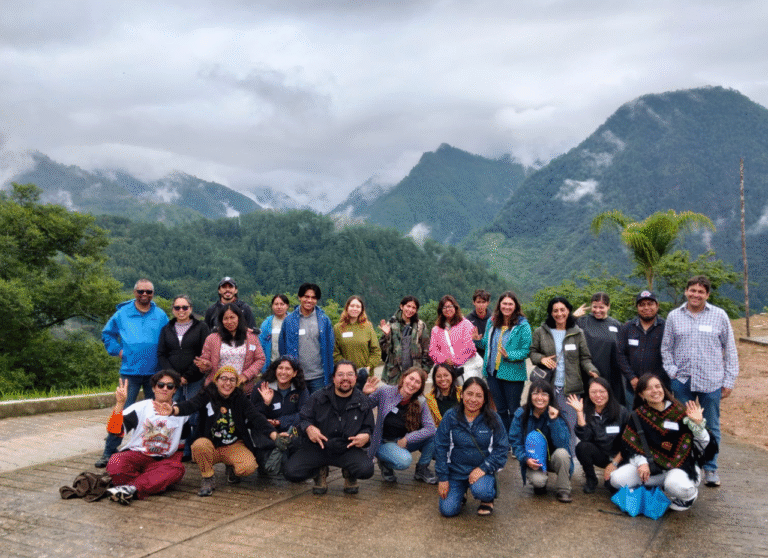
Ahead of the 2025 Annual Meeting in Oaxaca, Mexico, ATBC organized a pre-conference Field Course in Tropical Ecology, led by the Mentoring, Networking and Education Committee and generously supported by the British Ecological Society and Wiley.
The course was lead by Paul Fine (University of California, Berkeley), Onja Razafindratsima (University of California, Berkeley), Sabine Cudney-Valenzuela (University of California, Berkeley), and Reyna Domínguez Yescas (UNAM – Unidad de Extensión Universitaria Oaxaca / Fundación San Pablo), and took place from June 26–29, 2025.
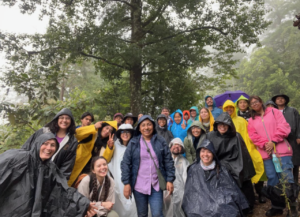
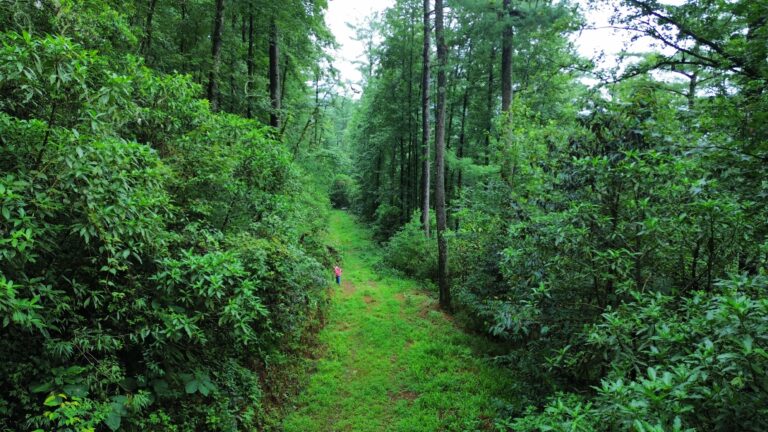
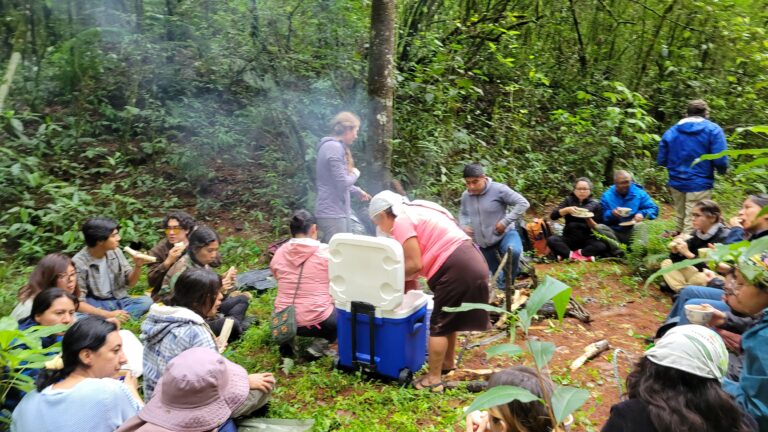
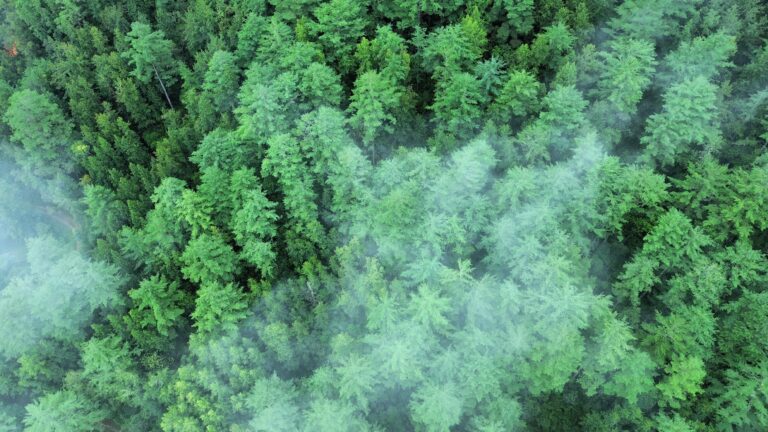
Field activities were conducted in San Juan Juquila Vijanes, located in the Sierra Norte de Oaxaca. This region is characterized by montane cloud forest (bosque mesófilo de montaña) with a high diversity of plant and animal species. It receives abundant rainfall and water from natural springs and has a temperate, humid climate that allows for the cultivation of maize, beans, sugarcane, coffee, and many other useful plants.
San Juan Juquila Vijanes is an Indigenous municipality governed by usos y costumbres, with a rich cultural and social heritage reflected in its Zapotec language, strong community organization, and autonomous local governance. Fieldwork was carried out in close collaboration with the local community, underscoring the importance of place-based research and the integration of scientific training with local knowledge.
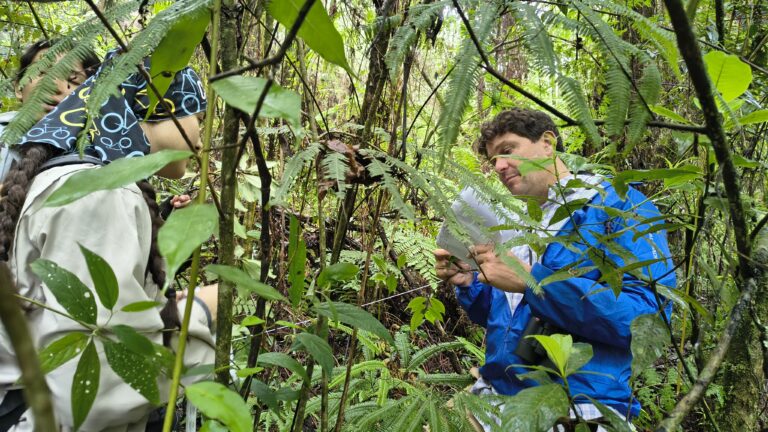
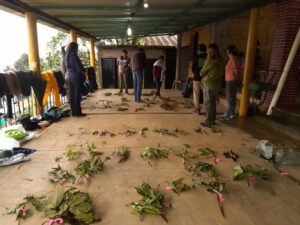
The course provided intensive, hands-on training focused on field botany and ecological methods—including plant identification, specimen preparation, and transect-based sampling—as well as camera trapping, covering both field deployment and data analysis for conservation applications. Nineteen undergraduate, Master’s, and PhD students participated in the course, primarily from Mexico, with additional representation from Colombia and the United States.
Beyond technical skills, the field course emphasized mentoring, peer learning, and professional networking. By supporting students’ participation in ATBC 2025, the course helped participants arrive at the Annual Meeting better prepared, more confident, and already connected to peers and instructors. This initiative reflects ATBC’s ongoing commitment to strengthening the involvement of students and early-career scientists within the Association and to facilitating their meaningful participation in ATBC Annual Meetings, fostering inclusive, supportive, and well-connected scientific communities.