Fellows, Grants & Awards

ATBC’s Grants and Awards program supports and celebrates individuals making meaningful contributions to tropical biology and conservation. From early-career researchers to established professionals, these opportunities aim to foster innovation, recognize excellence, and expand access to scientific growth across regions and career stages. 

Honorary Fellows

Student & Early Career Awards

Biotropica Awards

Navjot Sodhi Award

ATBC Seed Research Grant

Fellows

ATBC Honorary Fellows

The ATBC Honorary Fellow Award is the most prestigious and highest award given by the ATBC. Since 1963, the Council of the ATBC (then known as the ATB) established the selection of Honorary Fellows – “persons of long distinguished service to tropical biology.” To date, more than 90 Honorary Fellows from over 15 countries have been elected by the ATBC Council.

This award is presented each year to two recipients who have made substantial scientific contributions and provided long distinguished service to tropical biology or conservation. ATBC Honorary Fellows do not need to be members of the ATBC, although contributions to the Association will be considered during the selection process. We seek nominations that reflect the breadth of the research conducted within the ATBC and the diversity of the Association’s membership.

ATBC Honorary Fellows are given lifetime membership to the ATBC and are invited to submit a review paper on a topic of their choice to be published in Biotropica. Past Honorary Fellows are listed below.

Questions regarding this award may be directed to Juan Posada, ATBC Past-President and Chair of the 2026 Honorary Fellows Committee, at juan.posada@urosario.edu.co

Please submit your nomination(s) here by March 15th,2026.

ATBC 2025 Honorary Fellows

Patricia Balvanera

Geraldo Wilson Fernandes

Honorary Fellows of the ATBC

2015 - today
2007 - 2014
1999 - 2006
2006Peter Shaw AshtonUnited Kingdom
2006Wu Zheng-YiChina


2004Kamaljit S BawaUSA, India
2003Joseph H. ConnellUSA
2003Timothy C. WhitmoreUnited Kingdom
2001P. S. RamakrishnanIndia
2000Peter H. RavenUSA
1999Edward O. WilsonUSA
1973 - 1998
1998Thomas E. LovejoyUSA


1996José Aristeo Sarukhan KermezMexico


1994Betty Jane MeggersUSA
1993Donald E. StoneUSA
1986Mildred Esther MathiasUS


1982Herbert G. BakerUSA
1979Herald SioliBrazil
1973François BourliereFrance
1973Charles Sutherland EltonUSA
1973Bassett MaguireUSA
1973A. C. SmithUSA


1963 - 1972
1972Philip Jackson Jr. DarlingtonUSA
1972Ernst Walter MayrUSA
1970Salim AliIndia
1970Edred John Henry CornerUnited Kingdom
1970Robert Kendall EndersUSA
1970Charles Edward HubbardUnited Kingdom
1970Joseph LanjouwNetherlands
1970Edwin Louis TysonUSA


1969Carlos G. AguayoCuba
1969Lucy Evelyn CheesmanUnited Kingdom
1969Beatrice H. KraussUSA
1969Floyd Alnzo McClureUSA
1969Alfred Sherwood RomerUSA
1969Lyman Bradford SmithUSA
1969Thomas Elliott SnyderUSA
1969Harold St. JohnUSA
1969Boris Petrovitch UvarovUnited Kingdom
1969Jacobus Van der VechtNetherlands
1968Leonard John BrassAustralia
1968Martin CárdenasBolivia
1968David Daniel KeckUSA
1968Charles Russell MetcalfeUnited Kingdom
1968Owain W. RichardsUnited Kingdom
1968Waldo L.asalle SchmittUSA
1967George Gaylord SimpsonUSA


1966Joseph BequeartUSA
1966Theodore Huntington HubbellUSA
1966Henri Jean HumbertFrance
1966Harold Winfred ManterUSA
1966Walter RobynsBelgium
1966William Randolph TaylorUSA
1966Cornelis G.G.J. Van SteenisNetherlands
1966Frans VerdoornNetherlands


1965Irving Widmer BaileyUSA
1965Alexandre Curt BradeBrazil
1965Theodosius DobzhanskyUSA
1965Richard Eric HolttumUnited Kingdom
1965John HutchinsonUnited Kingdom
1965Lauro TravassosBrazil
1963Thomas BorgmeierBrazil
1963Henry Isaac BurkillUnited Kingdom
1963Angelo Moreira da Costa-LimaBrazil
1963Henry Alan GleasonUSA
1963Herman Johannes LamNetherlands
1963Charles Herbert LankesterCosta Rica
1963William Henry PhelpsVenezuela
1963Wilson Frederik PopenoeGuatemala
1963Alexander WetmoreUSA


Honorary Fellows News & Materials

Interviews with the ATBC 2025 Honorary Fellows

Patricia Balvanera 1- What drew you to tropical biology? I was born in Mexico City, within a very urban family, and my closest encounters with nature were the beautiful trees...Read More
Interviews with the ATBC 2024 Honorary Fellows

Miguel Martínez Ramos 1- What drew you to tropical biology? During my undergraduate studies at the National Autonomous University of Mexico (UNAM), I had the incredible opportunity to take a...Read More

Interviews with the ATBC 2023 Honorary Fellows

Explore the inspiring stories of Bette Loiselle and Mewa Singh, the ATBC 2023 Honorary Fellows, as they share their experiences and insights in the field of tropical biology and conservation....Read More

Interviews with the ATBC 2022 Honorary Fellows

T. Mitchell Aide 1- What drew you to the field of Tropical Biology? As an undergraduate, I spent a lot of time in the library reading journals and magazines about...Read More

awards

Student & Early Career Awards

The Association for Tropical Biology and Conservation recognizes the exceptional research of our students and early career scientists with awards for outstanding presentations at the ATBC’s annual meeting.

The Luis F. Bacardi Advances in Tropical Conservation Award was established in 2005 to foster high-quality conservation science in the tropics. It is awarded to the early-career conservation scientist who gives the best presentation at the annual meeting of the ATBC. Support for this award was generously provided to the ATBC by an endowment from the Lubee Bat Conservancy,  an international non-profit organization based in Gainesville, Florida. This organization was founded in 1989 by the late Luis F. Bacardi, and is dedicated to protecting biological diversity through the conservation of fruit- and nectar-feeding bats.

Eligibility and Application:

– Eligibility is limited to ATBC members who have received their Ph.D. no more than five years before the meeting date.

– The winner receives a certificate from the ATBC and a $300 award provided by the Lubee Bat Conservancy

– In addition to the honorarium, the winner of the award will have his/her abstract and photo published in Biotropica as well as his/her bio published at Tropicalbio.org (see below, e.g. 2010).


Bacardi Award for Advances in Tropical Conservation

2025 – Julián León – Universidad del Rosario (Colombia)

2024 – Meghna Bandyopadhyay – Wildlife Trust of India (India)

2023 – Nicolas Texier – Université Libre de Bruxelles (Belgium)

2022 – Katharine Thompson – Stony Brook University, USA

2021 – Sheherazade – PROGRES (Prakarsa Konservasi Ekologi Regional Sulawesi), Indonesia

2019 – Seheno Andriantsaralaza – University of Antananarivo, Madagascar

2018 – Evan Rehm – University of California Santa Barbara, USA

2017 – Catarina Jakovac -International Institute for Sustainability, Brazil

2016 – Oliver Wearn – Zoological Society of London (ZSL), UK

2015 – Haldre Rogers – Rice University, USA

2014 – Erin Kuprewicz – Smithsonian Institution, USA

2013 – Tremaine Gregory – Smithsonian Institution, USA

2012 – Paulo Brando – IPAM, Brazil

2011 – Joseph W. Veldman – University of Wisconsin-Madison.

2010 – Amy Rodgers – Pinchot Institute for Conservation, Ecuador.

2009 – no award

2008 – Marco Mello – Departamento de Botanica, Universidade Federal de Sao Carlos, Brazil. Article

2007 – J. Nicolas Urbina-Cardona – Instituto de Biologia, UNAM, Mexico. Article

2006 – David P Bickford – National University of Singapore, Singapore. Article

2005 – Cecília P. Alves-Costa – Lab. de Interação Vertebrado-Planta, Departamento de Zoologia, IB/UNICAMP. Campinas, SP, Brazil. Article

The Alwyn Gentry Presentation Awards are in recognition of the outstanding oral and poster presentations by students at the ATBC’s Annual Meeting. These awards are therefore in remembrance of Alwyn H. Gentry’s contributions to the study of the diversity and conservation of tropical plants and his legacy as a caring and supportive mentor to students from all over the Americas. Best student oral and poster presentations are also recognized by the Asia-Pacific Chapter Meetings Prizes.

Alwyn Gentry’s legacy to tropical biology was not limited to the phenomenal contributions he made to the study of diversity and conservation of tropical plants. He was a caring and supportive mentor to students from all over the Americas. In remembrance and recognition of the contributions of a singular scientist, colleague, mentor, and friend, the Association for Tropical Biology and Conservation presents Alwyn Gentry Awards for the best student papers each year at its Annual Meeting.

Two awards are given each year, one for the best student oral presentation, and one for the best student poster. Individuals who have been students within the previous 12 months are eligible, including those who have completed the Ph.D. within that period. The number of years of eligibility is not limited. The work must have been done by the student as the senior author on the paper. Two or more students may present a joint paper and would then split the award. Award criteria are the following:

– ATBC membership
– originality of study
– contribution of the study to science
– breadth of the study
– quality of the research design and execution of the data analysis
– quality of the presentation, including audio-visual materials.

The award recipients will each receive a $100 prize, plus a free one-year subscription to Biotropica and $100 in books from the University of Chicago Press. In addition, each of the winners will have their photograph and abstract published in BIOTROPICA, as well as his/her bio published at tropicalbio.org

The Committee reserves the right to make no award if it deems that no deserving paper has been presented or if fewer than five eligible papers are presented.


Gentry Award for the Best Student Oral Presentation

2025 – Luisa Genes – Stanford University, USA

2024 – Liam Jasperse-Sjolander – University of Colorado Boulder, USA

2023 – Aleena Xavier – Indian Institute of Science Education and Research Bhopal, India

2022 – Rodrigo Muñoz, Wageningen University and Research Centre, The Netherlands

2022 – Rodrigo Bello Carvalho, University of Oxford, UK

2021 – Nohemi Huanca Nunez, University of Nebraska-Lincoln, USA

2019 – Edgar Cifuentes, Universidad de Los Andes and University of East Anglia

2018 – Elizabeth Joyce, Australian Tropical Herbarium and James Cook University

2017 – Estelí Jimenez-Soto, Department of Environmental Studies, University of California at Santa Cruz

2016 – Mar Cartró-Sabaté – Universitat Autonoma de Barcelona

2015 – Anat Belasen – Department of Ecology and Evolutionary Biology Fellow, University of Michigan, Ann Arbor, USA. Article

2015 – Sarah Jane Wilson – School of Natural Resources and Environment Follow, University of Michigan, Ann Arbor, USA. Article

2014 – Sean Reilly – Department of Integrative Biology, University of California, Berkeley, USA

2013 – Maria Natalia Umaña – Michigan State University, USA

2012 – Sophie Fauvet – School of Geography, University of Leeds, West Yorkshire, UK.

2011 – Rebeka Hoffmeier-Karimi – Western Kentucky University in Bowling Green, KY, U.S.A. Article

2010 – Brian E. Sedio – Department of Ecology and Evolutionary Biology, University of Michigan, U.S.A. Article

2009 – I-Ching Chen – Xishuangbanna Tropical Botanical Garden, Chinese Academy of Sciences. Menglun, Mengla, Yunnan, China. Article

2008 – Maylin Adriana Gonzales – Laboratoire d’Evolution et Diversité Biologique, Université Paul Sabatier, Toulouse, France. Article

2007 – Alemayehu Wassie – Centre for Ecosystem Studies, Wageningen University and Research Centre, Wageningen, The Netherlands. Article

2006 – Benjamin C. Wang – Center for Tropical Research & UCLA – Dept. of Ecology and Evolutionary Biology, Los Angeles, CA, U.S.A. Article

2005 – Liliana Rios – Department of Biology, Laurentian University, Sudbury Ontario, Canada. Article

2004 – Nathan C. Muchhala – University of Miami, Department of Biology, FL, U.S.A. Article

2003 – H. Krefth – University of Bonn, Germany  Article
Runners-up :  Maria Del Carmen – Department of Biology, University of Puerto Rico, San Juan Puerto Rico.

2002 – Elizabeth A. Arnorld – Department of Ecology and Evolutionary Biology, University of Arizona,Tucson, Arizona U.S.A. Article Runners-up : Zoraida Calle – Agroforestry Systems Area, Center for Research on Sustainable Agricultural Production, Cali, Colombia.

– 2001 – Derek M. Johnson – Department of Biology, University of Miami, Coral Gables, FL U.S.A. Article 


Gentry Award for the Best Student Poster

2025 – Iñaki Quintana – Centro Interdisciplinario de Investigación para el Desarrollo Integral Regional, Unidad Oaxaca, México

2024 – Katherine Culbertson, University of California, Berkeley, USA, AND Simran Prasad, Centre for Wildlife Studies, India

2023 – Manish R – Indian Institute of Science Education and Research Thiruvananthapuram, India

2022 – Qi Luan Lim, Kyoto University Japan

2021 – Laura Bizzarri, University of Connecticut, USA

2019 – Miatrana RASAMOELINA, Institut Pasteur de Madagascar, Madagascar

2019 – Marie Laure Rurangwa, University of Oxford, United Kingdom

2018 – Nancy Alejandra Flechas Quintana, Universidad de Los Andes, Colombia

2017 – Marta Giannichi, University of Leeds and Lore Verryckt, University of Antwerp

2016 – Adriane Esquivel Muelbert – University of Leeds and William Farfan-Rios – Wake Forest University

2015 – Gaku Amada – Graduate School of Agriculture, Kyoto University, Japan. Article

2014 – Chadtip Rodtassana – Department of Plant Science, University of Cambridge, UK

2013 – Dulce Rodriguez-Morales – Instituto de Ecología A.C., Mexico

2012 – Melbi Ramos-Fabiel – UNAM, Mexico.

2011 – Emiru Birhane Hizikias – Centre for Ecosystem Studies, Wageningen University and Research Centre,The Netherland. Article

2010 – Soumya Prasad – Centre for Ecological Sciences, Indian Institute of Science, Bangalore 560012, India. Article

2009 – Ryan Bixenmann – Biology Dept., University of Utah, Salt Lake City, U.S.A. Article

2008 – Elodie Courtois – Laboratoire Evolution et Diversité Biologique, Université Paul Sabatier, Toulouse, France. Article

2007 – Tanya Hawley – Department of Biology, University of Miami, U.S.A. Article

2006 – Gang Chang. – Beisihuanxilu 25, Haidian District, Beijing, China. Article

2005 – Thiago J. Izzo – Coordenaçao de Pesquisa em Ecologia, INPA—Brasil; Universidade Federal de Uberlândia, Braxil.  Article

2004 – Carlos Garcia-Robledo – Department of Biology, University of Miami, FL, U.S.A.. Article

2002 – Elma E. Kay – Department of Biology, Saint Louis University, St. Louis, Missouri, U.S.A. Article

The New Phytologist Foundation is an independent, not-for-profit organization dedicated to the promotion of plant science. It owns and produces the international journals New Phytologist and Plants, People, Planet, and is proud to support student researchers by awarding the New Phytologist Foundation Poster ($300) and Oral Presentation ($300) Prizes in Plant Biology at the Annual Meeting.

RECIPIENTS

2025– Best Oral Presentation – Ellen Quinlan, Wake Forest University, USA: “Patterns of diversification, gene flow, and functional diversity across an Andes elevation gradient”

2025– Best Poster – Liliana López-Olmedo, Universidad Nacional Autónoma de México, México: “Decoupled environmental filtering between plant taxonomic and phylogenetic diversities in a tropical heterogeneous landscape”

2024 – Best Oral Presentation – Beibei Zhang, University of Bristol, UK: “Soil fertility drives large and predictable shifts in canopy dynamics in a tropical rainforest”

2024 – Best Poster – Sarafina Masanja, Sokoine University of Agriculture, Tanzania:  “Impact of Agricultural Expansion on Tree Species Composition and Diversity along Elevation Gradients in Pangawe West Forest Reserve, Morogoro, Tanzania”

2023 – Best Oral Presentation – Abhishek Gopal, Center for Cell and Molecular Biology (CCMB), India: “Range-restricted old and young lineages show the southern Western Ghats to be both a museum and a cradle of diversity”

2023 – Best Poster – Megha Ojha, Indian Institute of Science Education and Research Pune, India: “Impact of non-native invasive plant species on Asian tropical savannas”

2022 – Siddarth Machado, University of Florida, USA: “Resilience to drought in a humid tropical Dipterocarp forest, India”.

2021 – Valerie Milici, University of Connecticut, USA: “Patterns of pathogen attack in seedling communities across a neotropical precipitation gradient and its implications for coexistence”.

2019 – Anita Weissflog, Bangor University, United Kingdom: “Fungal-mediated plant-soil-feedbacks affect secondary succession of tropical rainforests”.

2018 – Nancia Raoelinjanakolona, University of Antananarivo, Madagascar: “Impacts of habitat fragmentation on plant-frugivores mutualistic networks”.

2017 – Diana Cisneros de la Cruz: “Morphological and Genetic Variability of Rhizophora mangle L. in the Yucatan Peninsula, Mexico”.

2016 – Gabriel Damasco: “The leaf economic spectrum in the context of incipient species divergence”.

2015 – Carolyn Delevich “Does microbial-mediated plant-soil feedback regulate congeneric recruitment in the genus Cecropia“.

The Asia Pacific Chapter of the Association for Tropical Biology and Conservation presents the Prizes for the Best Student Papers each year at its Annual Meeting. Two prizes are given each year:

– The Madav Gadgil Prize for Best Student Oral Presentation

– The Peter Ashton Prize for Best Student Poster

All individuals who have been students within the previous 12 months are eligible, including those who have completed the Ph.D. within that period. The number of years of eligibility is not limited. The work must have been done by the student as the senior author on the paper. All students who wish to be considered for ATBC AP Chapter Prizes must indicate so on their registration forms. Prize criteria are the same as for the Al Gentry Award :

– ATBC membership

– originality of study

– contribution of the study to science

– breadth of the study

– quality of the research design and execution of the data analysis

– quality of the presentation, including audio-visual materials.

The Committee reserves the right to make no award if it deems that no deserving paper has been presented or if fewer than five eligible papers are presented. All students who wish to be considered for the Gentry Award must indicate so on their registration forms.


2015 ATBC ASIA PACIFIC CHAPTER PRIZE CEREMONY

In Phnom Penh, the winners of the prizes received a copy of the book The Ecology of Tropical East Asia, second edition by Richard Corlett. The winners were introduced by Alice C. Hughes: AP Chapter secretary, and the prizes were offered by Susan Laurance: 2015 ATBC Past President and Tony Lynam: AP Chapter Chair.

Six prizes were awarded for oral presentations of the 38 student oral presentations, and three prizes were awarded for the 15 student posters.

Tuanjit Sritongchuay won the Madav Gadgil Prize for her presentation on “Differential effects of forest proximity on fruit set of tropical tree crops dependent on pollination guilds”, with Krizler Tanalgo winning second prize, Eleanor Warren-Thomas third, Sheema Abdul Aziz forth, Carla Monoy fifth, Saveng Ith in sixth place.

Trang Nguyen won the Peter Ashton Prize for her poster on “Ivory and rhino horns consumption and consumers in Asia, with a focus on China and Vietnam”. Xue Xia won second place and Rahmawati Ihsani won third prize for her poster.


2013 ATBC ASIA PACIFIC CHAPTER PRIZE CEREMONY

In Banda Acech, the winners of the prizes received the book Tropical Rain Forests: An Ecological and Biogeographical Comparison, 2nd Edition by Richard Corlett and Richard Primack. The winners were introduced by Richard Corlett, 2012 Past-President, and the prizes were offered by Lucia Lohmann, 2013 ATBC President (© Tropicalbio.org)

Madav Gadgil Prize for Best Student Oral Presentation

2013 – Nandini Velho – From mosquito to minister: malaria and the management of a tiger reserve in north-east India. Centre for Tropical Environmental and Sustainability Science & School of Marine and Tropical Biology, James Cook University, Smithfield, Cairns, QLD, Australia.

Peter Ashton Prize for Best Student Poster Paper

2013 – Manichanh Satdichanh – Species composition of Angiosperm in Phou Khao Khoauy National Park, Lao PDR. Xishuangbanna Tropical Botanical Garden, Chinese Academy of Sciences, China & Faculty of Forestry, National University of Laos (NUoL), Laos.

Awards

Biotropica Awards

Every year the Association for Tropical Biology and Conservation recognizes outstanding papers published in Biotropica in the previous calendar year. These articles must provide novel insights into critical processes influencing the structure, functioning, or conservation of tropical ecosystems. The Editorial Board awards the Julie S. Denslow Prize to a researcher and the Peter Ashton Prize to a student for their outstanding publications in our journal.

Since 2000 the Editorial Board has selected the recipient of the Julie S. Denslow Prize (formerly the Award for Excellence in Tropical Biology and Conservation), which recognizes the outstanding paper published in Biotropica in the previous calendar year. In recognition of the passion and creativity of early career scholars, in 2015 the Board also began recognizing the outstanding article by a student with the Peter Ashton Prize. Criteria for selecting the papers to receive these awards include clarity of presentation, a strong basis in natural history, well-planned experimental or sampling design, and the novel insights gained into critical processes that influence the structure, functioning, or conservation of tropical systems. Below is the complete list of the award-winning articles.

Julie S. Denslow Prize for the outstanding article published in Biotropica
Year Article
2024 Margarita Lampo, Señaris, C., González, K., & Ballestas, O. (2023). Smaller size of harlequin toads from populations long exposed to the fungal disease chytridiomycosis. Biotropica, 55, 699–705. Author essay.
2023 McConkey, K. R., Aldy, F., Ong, L., Sutisna, D. J., & Campos-Arceiz, A. (2022). Lost mutualisms: Seed dispersal by Sumatran rhinos, the world’s most threatened megafauna. Biotropica, 346–357. Author essay
2022 Doughty, C. E., Cheesman, A. W., Riutta, T., Thomson, E. R., Shenkin, A., Nottingham, A. T., Telford, E. M., Huaraca Huasco, W., Majalap, N., Arn, I. Y., Meir, P., & Malhi, Y. (2021). Predicting tropical tree mortality with leaf spectroscopy. Biotropica, 53, 581–595. Author essay
2021 Jackson, T. D., Shenkin, A. F., Majalap, N., Bin Jami, J., Bin Sailim, A., Reynolds, G., Coomes, D. A., Chandler, C. J., Boyd, D. S., Burt, A., Wilkes, P., Disney, M., and Malhi, Y. (2021). The mechanical stability of the world’s tallest broadleaf trees. Biotropica 53(1): 110-120. Author essay
2020 Amador‐Vargas. S. (2019). Plant killing by Neotropical acacia ants: ecology, decision‐making, and head morphology. Biotropica 51: 692– 699. Author essay Wigley, B. J., Coetsee, C., Kruger, L. M., Ratnam, J. and Sankaran, M. (2019). Ants, fire, and bark traits affect how African savanna trees recover following damage. Biotropica 51: 682– 691. Author essay
2019 Gaoue, O. G., Gado, C., Natta, A. K. and Kouagou, M. (2018). Recurrent fruit harvesting reduces seedling density but increases the frequency of clonal reproduction in a tropical treeBiotropica 50: 69–73. Author essay
2018 Garcia‐Robledo, Carlos, Carol C. Horvitz, W. John Kress, A. Nalleli Carvajal‐Acosta, Terry L. Erwin, Charles L. Staines. (2017). Experimental assemblage of novel plant–herbivore interactions: ecological host shifts after 40 million years of isolationBiotropica 49(6): 803-810 Scheffers, Brett R., David P. Edwards, Stewart L. Macdonald, Rebecca A. Senior, Lydou R. Andriamahohatra, Nadiah Roslan, Andrew M. Rogers, Torbjørn Haugaasen, Patricia Wright & Stephen E. Williams. (2017). Extreme thermal heterogeneity in structurally complex tropical rain forestsBiotropica 49(1): 35-44
2017 Vencl, F. V., Ottens, K., Dixon, M. M., Candler, S., Bernal, X. E., Estrada, C. and Page, R. A. (2016). Pyrazine emission by a tropical firefly: An example of chemical aposematism? Biotropica, 48: 645–655. Author essay
2016 Nakazawa, Y. and Peterson, A. T. (2015). Effects of Climate History and Environmental Grain on Species’ Distributions in Africa and South AmericaBiotropica, 47: 292–299. Author essay
2015 Farwig, N., Lung, T., Schaab, G. and Böhning-Gaese, K. (2014). Linking Land-Use Scenarios, Remote Sensing and Monitoring to Project Impact of Management DecisionsBiotropica, 46: 357-366. Author essay
2014 Alexandra Pardow and Michael Lakatos. 2013. Desiccation Tolerance and Global Change: Implications for Tropical Bryophytes in Lowland ForestsBiotropica 45(1):27-36. Author essay Gaston E. Small, Pedro J. Torres, Lauren M. Schweizer, John H. Duff, and Catherine M. Pringle. 2013. Importance of Terrestrial Arthropods as Subsidies in Lowland Neotropical Rain Forest Stream Ecosystems. Biotropica. 45(1): 80-87. Author essay
2013 Karubian, J., Durães, R., Storey, J. L. and Smith, T. B. (2012), Mating Behavior Drives Seed Dispersal by the Long-wattled Umbrellabird Cephalopterus penduligerBiotropica, 44: 689-698. Author essay
2012 no award given
2011 no award given
2010 Edward, E., Munishi, P. K. T. and Hulme, P. E. (2009), Relative Roles of Disturbance and Propagule Pressure on the Invasion of Humid Tropical Forest by Cordia alliodora (Boraginaceae) in TanzaniaBiotropica, 41: 171-178. Author essay
2009 Timothy Paine, C. E., Harms, K. E., Schnitzer, S. A. and Carson, W. P. (2008), Weak Competition Among Tropical Tree Seedlings: Implications for Species CoexistenceBiotropica, 40: 432-440. Author essay
2008 Henry, M. and Jouard, S. (2007), Effect of Bat Exclusion on Patterns of Seed Rain in Tropical Rain Forest in French GuianaBiotropica, 39: 510-518. Author essay
2007 Vasconcelos, H. L., Vieira-Neto, E. H. M., Mundim, F. M. and Bruna, E. M. (2006), Roads Alter the Colonization Dynamics of a Keystone Herbivore in Neotropical SavannasBiotropica, 38: 661-665. Author essay
2006 García-Robledo, C., Kattan, G., Murcia, C. and Quintero-Marín, P. (2005), Equal and Opposite Effects of Floral Offer and Spatial Distribution on Fruit Production and Predispersal Seed Predation in Xanthosoma daguense (Araceae)Biotropica, 37: 373-380. Author Essay
2005 Sheil, D. and Salim, A. (2004), Forest Tree Persistence, Elephants, and Stem Scars. Biotropica, 36: 505-521. Author essay
2004 Michael G. McCay.(2003) Winds under the Rain Forest Canopy: The Aerodynamic Environment of Gliding Tree FrogsBiotropica 35(1):94-102. Author essay
2003 Guariguata, M. R., Claire, H. A.-L. and Jones, G. (2002), Tree Seed Fate in a Logged and Fragmented Forest Landscape, Northeastern Costa RicaBiotropica, 34: 405-415. Author essay
2002 Jean-Marc Hero, William E. Magnusson, Carlos F. D. Rocha and Carla P. Catterall (2001) Antipredator Defenses Influence the Distribution of Amphibian Prey Species in the Central Amazon Rain ForestBiotropica 33(1):131-141. Author essay
2001 P. J. DeVries and C. M. Penz (2000) Entomophagy, Behavior, and Elongated Thoracic Legs in the Myrmecophilous Neotropical Butterfly Alesa amesis (Riodinidae). Biotropica 32(4):712-721. Author essay
2000 Ellen Andresen (1999) Seed Dispersal by Monkeys and the Fate of Dispersed Seeds in a Peruvian Rain ForestBiotropica 31(1):145-158. Author essay

Peter Ashton Prize for the outstanding article published in Biotropica by a student
Year Article
2024 Mauro Rivas-Ferreiro, Skarha, S. M., Rakotonasolo, F., Suz, L. M., & Dentinger, B. T. M. (2023). DNA-based fungal diversity in Madagascar and arrival of the ectomycorrhizal fungi to the island. Biotropica, 55, 954–968. Author essay.
2023 Nerlekar, A. N., Chorghe, A. R., Dalavi, J. V., Kusom, R. K., Karuppusamy, S., Kamath, V., Pokar, R., Rengaian, G., Sardesai, M. M., & Kambale, S. S. (2022). Exponential rise in the discovery of endemic plants underscores the need to conserve the Indian savannas. Biotropica, 54, 405–417. Author essay
2022 Tol, S. J., Jarvis, J. C., York, P. H., Congdon, B. C., & Coles, R. G. (2021). Mutualistic relationships in marine angiosperms: Enhanced germination of seeds by mega-herbivores. Biotropica, 53, 1535–1545. Author essay
2021 Messeder, J. V. S., Guerra, T. J., Dáttilo, W., and Silveira, F. A. O. (2020). Searching for keystone plant resources in fruit-frugivore interaction networks across the NeotropicsBiotropica 52(5): 857-870. Author essay
2020 Sheherazade, Ober, H. K., and Tsang, S. M. (2019). Contributions of bats to the local economy through durian pollination in Sulawesi, IndonesiaBiotropica 51: 913– 922. Author essay Jimenez‐Soto, E, Morris, J. R., Letourneau, D. K. and Philpott, S. M. (2019). Vegetation connectivity increases ant activity and potential for ant‐provided biocontrol services in a tropical agroforestBiotropica 51: 50– 61. Author essay
2019 Adamescu, G. S., Plumptre, A. J., Abernethy, K. A., Polansky, L., Bush, E. R., Chapman, C. A., Shoo, L. P., Fayolle, A., Janmaat, K. R. L., Robbins, M. M., Ndangalasi, H. J., Cordeiro, N. J., Gilby, I. C., Wittig, R. M., Breuer, T, Breuer‐Ndoundou Hockemba, M., Sanz, C. M., Morgan, D. B., Pusey, A. E., Mugerwa, B., Gilagiza, B., Tutin, C., Ewango, C. E. N., Sheil, D., Dimoto, E., Baya, F., Bujo, F., Ssali, F., Dikangadissi, J.-T., Jeffery, K., Valenta, K., White, L., Masozera, M., Wilson, M. L., Bitariho, R., Ndolo Ebika, S. T., Gourlet‐Fleury, S., Mulindahabi, F. and Beale, C M. (2018). Annual cycles are the most common reproductive strategy in African tropical tree communities. Biotropica 50:418‐430. Author essay
2018 Lugon, A. P., Boutefeu, M., Bovy, E., Vaz‐de‐Mello, F. Z., Huynen, M.-C., Galetti, M. and Culot, L. (2017). Persistence of the effect of frugivore identity on post‐dispersal seed fate: consequences for the assessment of functional redundancyBiotropica 49(3): 293-302
2017 Rugemalila, D. M., Anderson, T. M. and Holdo, R. M. (2016), Precipitation and elephants, not fire, shape tree community composition in Serengeti National Park, TanzaniaBiotropica, 48: 476–482. Author essay
2016 Peter, F., Berens, D. G., Grieve, G. R. and Farwig N. (2015). Forest Fragmentation Drives the Loss of Insectivorous Birds and an Associated Increase in HerbivoryBiotropica, 47: 626–635. Author essay
2015 Maruyama, P. K., Vizentin-Bugoni, J., Oliveira, G. M., Oliveira, P. E. and Dalsgaard, B. (2014), Morphological and Spatio-Temporal Mismatches Shape a Neotropical Savanna Plant-Hummingbird NetworkBiotropica, 46: 740-747. Author essay

Awards

Navjot Sodhi Conservation Research Award

Every year the Association for Tropical Biology and Conservation presents the Navjot Sodhi Conservation Research Award to a student from a developing country conducting research in tropical conservation biology. This award is in remembrance and recognition of the contributions of our colleague and friend Navjot Sodhi, who inspired many students and colleagues with his passion for research and the conservation of tropical biodiversity. The selected recipient will receive a cash award of $1000 to be used towards research-related expenses that will enhance an ongoing project in tropical biodiversity conservation. Publications using data or other information that were obtained with the support of an ATBC grant should include the following language in the acknowledgments section: “This research was supported by a Seed Research Grant from the Association for Tropical Biology and Conservation.”

Applicants should apply for either the Sodhi or the Seed Grant Awards. If an applicant applies to both the Sodhi and Seed grant they will only be considered for one (the most suitable funding stream for the application).

A full description of this year’s Navjot Sodhi Conservation Research Award Guidelines can be found here.

The application deadline is April 22 (5 am GMT).

Recipients


2024 – Priyanka Hari Haran: “How can agricultural landscapes better support bird species interactions?”


2023 – Sukhraj Kaur: “Native bees and sustainable agriculture: Investigating the impact of Apis cerana indica on crop yield in the northern Western Ghats of India”


2022 – Armando Dans Chavarria: “Establishing the baseline to protect and manage critically endangered mammals in one of the last strongholds for tropical biodiversity in southeast Nicaragua”


2021 – Anushka Rege: “Evaluating the socio-environmental impacts of cashew monoculture expansion in northern Western Ghats, India”

2020 – Walter Djeny Mbamy: “Linking human activities and elephant movement around Ivindo National Park, Gabon”

2019 – Raul Costa-Pereira: “Overfishing and the fate of seed dispersal in tropical flooded habitats”

2018 – Fernando Silvério: “Invasion of native forests by free-ranging dogs: drivers, invasion risk, impacts and mechanisms”

2017 – Bernardo Flores: “Dispersal limitation as a bottleneck for tree recruitment in burnt Amazonian floodplain forests”

About Navjot S. Sodhi (1962-2011)

About Navjot S. Sodhi (1962-2011)


Navjot S. Sodhi was a Professor of Conservation Ecology at the National University of Singapore. An editor of Conservation Biology, Biological Conservation, and Animal Conservation, Navjot received his Ph.D. from the University of Saskatchewan, Canada.

He has written/edited several books/monographs such as Southeast Asian Biodiversity in Crisis (2006, Cambridge University Press), Tropical Conservation Biology (2007, Blackwell) and Conservation Biology for All (2010, Oxford, UK).

A recipient of the National Geographic Society grants, Navjot has also spent time at Harvard as Bullard Fellow and Sarah and Daniel Hrdy Fellow, where he was an adjunct associate.

– The Loss of Our Council Member, Professor Navjot Sodhi (2010-2011)

– Memorial Fund for Dr. Navjot Sodhi

– Conservation of Tropical Birds, an edited volume by Navjot S. Sodhi, Cagan H. Sekercioglu, Jos Barlow and Scott Robinson.
– Conservation Biology for All, an edited volume by Navjot S. Sodhi and Paul R. Ehrlich.

Awards

ATBC Seed Research Grant

As part of ATBC’s mission to promote excellence in the next generation of tropical biologists, the ATBC offers Seed Research Grants to support graduate student research projects addressing tropical biology and conservation. The grant funds may be used for international/domestic travel, lodging, meals, and other research-related expenses. Publications using data or other information that were obtained with the support of an ATBC grant should include the following language in the acknowledgments section: “This research was supported by a Seed Research Grant from the Association for Tropical Biology and Conservation.”

Applicants should apply for either the Sodhi or the Seed Grant Awards. If an applicant applies to both the Sodhi and Seed grant they will only be considered for one (the most suitable funding stream for the application).

A full description of this year’s ATBC Seed Research Grant Guidelines can be found here.

Funding for the ATBC Seed Research Grant is generously provided by the Maxwell/Hanrahan Foundation through the SEEDS Grant Program. Their support strengthens ATBC’s mission to support students and advance research in tropical biology and conservation worldwide.

A full descriptionof this year’s ATBC Seed Research Grant Guidelines can be found here

The application deadline is April 7, 2026 (5 am GMT).

Seed Grant Recipients 2025

Rukayat Ademola

University of Cape Town “Breeding Status Modulates Physiological but Not Behavioral Responses to Human Disturbance in Urban Red-Winged Starlings”

Andrea Bernal-Rivera

University of Washington "Phenotypic plasticity of bats living in unpredictable environments”

Emma Bretherick

National Autonomous University of Mexico (UNAM) "Sensitivity of Nitrogen and Phosphorus Biogeochemical Cycles in Yucatán's Tropical Dry Forests: Biogeochemical Responses to Global Change-induced Drought"

Bruno da Silva

State University of Paraíba “Colors and Songs of the City: How Urbanization Patterns Affect the Structure and Composition of the Bird Community in the Northeastern Semiarid Region”

César Fuentes Montejo

University of Illinois “Riverscape Connectivity in Northern Central America”

Gabriela Garcia Reynaga

University of Miami “Herbivory in a Hotter World: How Temperature Shapes Plant Defense in Tropical Rainforests”

Satyam Gupta

Ashoka University "Investigating the causes and consequences of winter breeding under changing climates in the Indian Goldenback Frog (Hylarana indica)"

David Gutierrez Duque

Universidade Federal de Pernambuco “Drivers of fern species richness and endemism in the Andean mountains”

Carlos Hernández Orta

Bangor University “Microbial Conservation: The Role of Skin Bacteria as a Barrier to Lethal Emerging Diseases in Neotropical Amphibians”

Jeffrey Mancera

University of the Philippines “Detecting changes in reproductive phenology in a largely aseasonal tropical forest amid climate shifts”

Siddhant Mhetre

Fergusson College, Pune, India “The recovery of tropical savanna biodiversity following agricultural abandonment in India”

Diana Molina Ozuna

El Colegio de la Frontera Sur “Threads of Life: Orchid-Euglossini interactions networks and the challenge of habitat degradation in a Mexican rainforest”

Antonio Razafindramboa

University of Antananarivo “Urban bryophytes as bioindicators: factor influencing species diversity and community assembly along a rural-urban gradient Madagascar’s capital city.

José Vladimir Rojas Sánchez

National Autonomous University of Mexico (UNAM) “The spatiotemporal variation of the arboreal mammals in Los Tuxtlas Biosphere Reserve as a response to environmental heterogeneity”

Sona Sebastian

Manipal Institute of Technology, Bengaluru, Manipal Academy of Higher Education, Manipal, India “Navigating concrete jungles: understanding the species richness, functional and phylogenetic diversity of amphibians from a tropical mega-city, Bengaluru, India.”

Seed Grant Recipients 2024

Nagarathna Balakrishna

“An integrative approach to conserving the critically endangered Indri indri in Madagascar.” Ohio State University (USA)

Sachin Bhaskar

“Floral traits and flower-cheater dynamics in the southern Western Ghats” IISER TVM (India)

Marco Chiminazzo

“Assessing woody species strategies in tropical ecosystems: insights for future resilience across savannas and forests” Universidade Estadual Paulista (UNESP) (Brazil)

Manuel Flores

“Investigating differences in edge effects between planted forest and pastureland on secondary forests in Brazil” Yale University (USA)

Sofía León

“Beneath the Waves: Sexual maturity of the Galapagos bullhead shark (Heterodontus quoyi)” Universidad San Francisco de Quito (Ecuador)

Noor Laina Maireda

“Estimating Bornean Flat-headed Frog (Barbourula kalimantanensis) Potential Distribution Using Mechanistic Niche Modeling” Ohio University (USA)

Manan Mehta

“Following the fates of fruits and seeds in plant-frugivore interactions: assessing scale-dependent responses and their consequences.” Ashoka University (India)

Carlos Ordóñez-Parra

“To germinate or not germinate: germination traits and risk-spreading strategies meet in the Brazilian Cerrado” Universidade Federal de Minas Gerais (Brazil)

Sumashini Pagaldevatti

“Edge effects on seed-fungal interactions in the tropical evergreen forests of Western Ghats, India” University of Illinois at Urbana-Champaign (USA)

Joselice Pereira

“What is the potential of street trees as a refugia for the biodiversity of herbivorous insects? Taxonomic structure and composition and diversity of interactions in semiarid tropical cities” State University of Paraíba (Brazil)

Gabriela Quesada-Ávila

“Seed germination and seed microbial interactions of tropical tree species under elevated temperature.” University of South Florida (USA)

Veronarindra Ramananjato

“Cascading impacts of the collapse of mutualistic interactions in tropical forests” University of California Berkeley (USA)

Samantha Rosa

“Nectar, Pollinators, and Tropicalization: Investigating mangrove floral ecology during an active geographic range expansion” University of Maryland (USA)

Shubham

“The roots of the matter: Linking root traits to rhizosphere microbes and root exudation to understand plant species coexistence in Western Ghats, India” Centre for Cellular and Molecular Biology (India)

Seed Grant Recipients 2023

Shambadeb Basu

"Assessing threats and developing mitigation strategies towards small cat conservation in a human dominated landscape" University of Florida (USA)

Akash Dutta

"Hanumans of Bengal: Assessment of the time activity budget and conflict zones of free-ranging Hanuman Langurs (Semnopithecus entellus) in human altered urban and rural areas in context with their interaction with humans for future conservation strategies." University of Calcutta (India)

Thais Ferreira

"Ecology of the nematode community in the rain forest canopy" Universidade Estadual do Norte Fluminense Darcy Ribeiro (Brazil)

Iago Ferreiro Arias

"Hunting-induced defaunation and the erosion of mutualistic ecological networks" Doñana Biological Station (EBD-CSIC) (Spain)

Abhishek Gopal

"Inferring the evolutionary drivers of richness, assembly, and diversification patterns of woody plants in the Western Ghats, India" Centre for Cellular and Molecular Biology (India)

Ashtha Gurung

"Effect of habitat fragmentation and forest edge on plant- frugivore interaction" University of Hohenheim (Germany)

Sui Heon

“What happens to dead animals in tropical forests?” - Investigating the role of scavengers and the carrion decomposition process in modified tropical forest landscapes of Sabah, Malaysia." Universiti Malaysia Sabah (Malaysia)

Kunjulakshmi K

"Assessing the conservation priority of freshwater shrimps (Family: Atyidae and Palaemonidae) from the Central Western Ghats, India" Sathyabama Institute of Science and Technology, Chennai, Tamil Nadu (India)

Hitesh Kumar

"Disentangling the Functional role of Vertebrate Scavengers in the Western Aravalli Hill Ranges of Haryana" Sálim Ali Centre for Ornithology and Natural History (India)

Laura Lopresti

"Enemy release and missed mutualists: plant-insect interactions across the world’s tropics." James Cook University (Australia)

Emmanuel Opito

"The potential of removal of invasive Lantana camara and indigenous Acanthus pubescens from a protected area: promotion of clean energy, forest regeneration, and wildfire use of degraded areas in Kibale National Park, Uganda" Makerere University, Kampala (Uganda)

Sara Pedraza

"Diversification of plants in tropical montane ecosystems" University of California, Los Angeles (USA)

Gayathri Rajendiran

"Paleoecological Reconstruction of Central Western Ghats Grassland through Phytoliths" Manipal Centre for Natural Sciences (India)

Rhuthuparna S B

"Reflecting on enantiostylous flowers: Understanding the effect of pollinator availability, population size and morph ratio on reproductive fitness and inbreeding rate" Indian Institute of Science Education and Research, Bhopal (India)
Anupama Sekhar

"When scents make sense: Investigating the diversity and evolution of floral volatiles in the medicinally significant ginger genus Hedychium" Indian Institute of Science Education and Research (IISER) Bhopal (India)

Felipe Triana

"Evaluation of snake translocation programs in Costa Rica via the spatial ecology of the Central American rattlesnake Crotalus simus (Serpentes: Viperidae)" Universidad de Costa Rica (Costa Rica)

Nina Witteveen

"Brownsberg: Ecology of the past" the Institute for Biodiversity and Ecosystem Dynamics (IBED), at the University of Amsterdam (UvA) (The Netherlands)
Seed Grant Recipients 2022

Laura Bizzarri

"Are hummingbird flower mites the cheetahs of the micro-world? – Evaluating mites’ running speed, scent attraction and probability of passive dispersal in a plant-arthropod system" University of Connecticut (USA)

Christina Blebea

"Seed Dispersal by Ants in Different Tropical Forest Restoration Methodologies" University of California Santa Cruz (USA)

Caroline Dallstream

"Spatial scales and drivers of heterogeneity in tropical root traits" McGill University (Canada)

Carlos Mauricio Delgado Martínez

"Spatio-temporal variation of water availability for birds and mammals in the Calakmul Biosphere Reserve, Mexico" National Autonomous University of Mexico (UNAM) (México)

Riley Fortier

"A longitudinal study to test for the acclimation of individual trees to multiple decades of climate change" University of Miami (USA)

Priyanka Hari Haran

"The effect of ecological restoration on Old World tropical mixed-species flocks" University of Florida (India)

Nicole Lussier

"Combatting deforestation: How do differing reforestation techniques facilitate the reassembly of ecosystem functions?" University of Tennesse, Knoxville (Ecuador)

João Vitor de Sousa Messeder

"Disentangling the role of phylogeny and frugivory interactions on the evolution of fruit functional traits" Pennsylvania State University (Brazil)

Megha Ojha

"Using trait-based approaches to understand the impact of non-native invasive plant species on Asian tropical savannas" Indian Institute of Science Education and Research, Pune (India)

Shirley Jennifer Serrano Rojas

"Adapting to seasonal changes: a study of flexible breeding strategies in tropical frogs" Stanford University (Peru)

Paly Nsonwi Titenwi

"Tree diversity and forest dynamics in Mount Nlonako forest, Cameroon" University of Bamenda (Cameroon)

Seed Grant Recipients 2021

Aquetzalli Nayelli Rivera Villanueva

"Migration ecology and conservation of Leptonycteris yerbabuenae and its pollination services in Western Mexico" Centro Interdisciplinario de Investigación para el Desarrollo Integral Regional, Unidad Durango (Mexico)

Maevatiana Nokoloina Ratsimbazafindranahaka

"Mother-calf interactions in humpback whale: investigating nursing, swimming and acoustic behaviors" University of Antananarivo and Paris-Saclay University (Madagascar & France)

Luisa Genes

"The role of dispersal and recruitment limitation in the recovery of secondary forests" Stanford University (USA)

Anisha Padur Sankaranarayanan

"Diet of Asian elephants in Nilgiri Biosphere Reserve, India: with special reference to seed dispersal" Periyar University (India)
Charles Noah Hackforth

"Characterising structure and functioning of Odonata communities in the Congolese peat swamp forest" University College London (UK)
Anna Thonis

"Climate change & competition: Combining multi-species experimental & observational data to inform conservation planning" Stony Brook University (USA)

Nurhidayah binti Azlan Hisham

"Biology and Ecology of the Freshwater Alien Invasive Fish Species in Timah-Tasoh Lake, Perlis" Universiti Malaysia Terengganu (Malaysia)

Elizabeth Castro-Salas

"Temporal dynamics of coronavirus shedding in a migratory population of Leptonycteris yerbabuenae" Centro Interdisciplinario de Investigación para el Desarrollo Integral Regional, Unidad Durango (Mexico)

Paula Andrea Cepeda Mahecha

"Demography and harvest estimation of five ornamental Andean palms in Colombia" Universidad Militar Nueva Granada (Colombia)

Jason Teo Jia Hong

"Genetic structure and metapopulation dynamics of the Oriental-pied Hornbill Anthracoceros albirostris and Great Hornbill Buceros bicornis in Thailand" King Mongkut’s University of Technology (Thailand)

Heloiza Lourenço Zirondi

"Seeking the burning question: a trait-based plant response to fire in a tropical Savanna" São Paulo State University (Brazil)

Seed Grant Recipients 2020

Angelica Torres

Universidad Nacional de Colombia sede Amazonia, “Reciprocal stream-riparian arthropod fluxes along a vegetation structure gradient in the Colombian Amazon” (Colombia)

Hayden Davis

University of Washington, “A Genomic Approach to Estimating Biodiversity in Southeast Asian Gecko Lineages” (Malaysia)
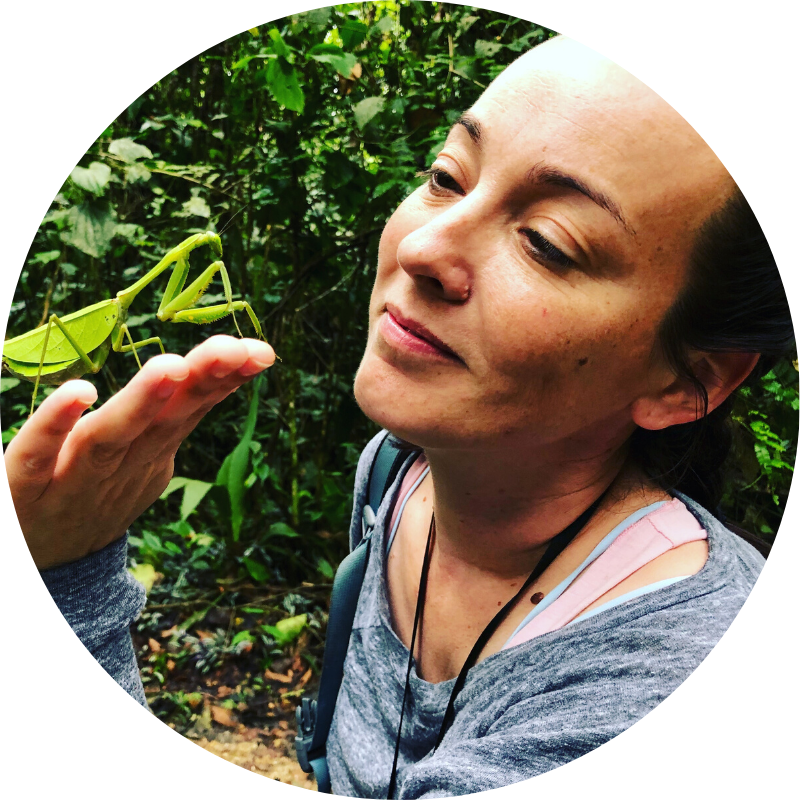
Andrea Haberkern

University of British Columbia, “Trade-offs in fitness as a function of web architecture in tropical spiders: prey, predator risk, and investment in silk” (Ecuador)

Georgia Hernandez

University of Connecticut, “Plastic and adaptive responses of high and low elevation plant morphotypes to current and future warming temperatures” (Costa Rica)

Jacob Moutouama

University of Tennessee at Knoxville, “Herbivory as driver of center-periphery dynamics in an endemic plant species” (Benin)
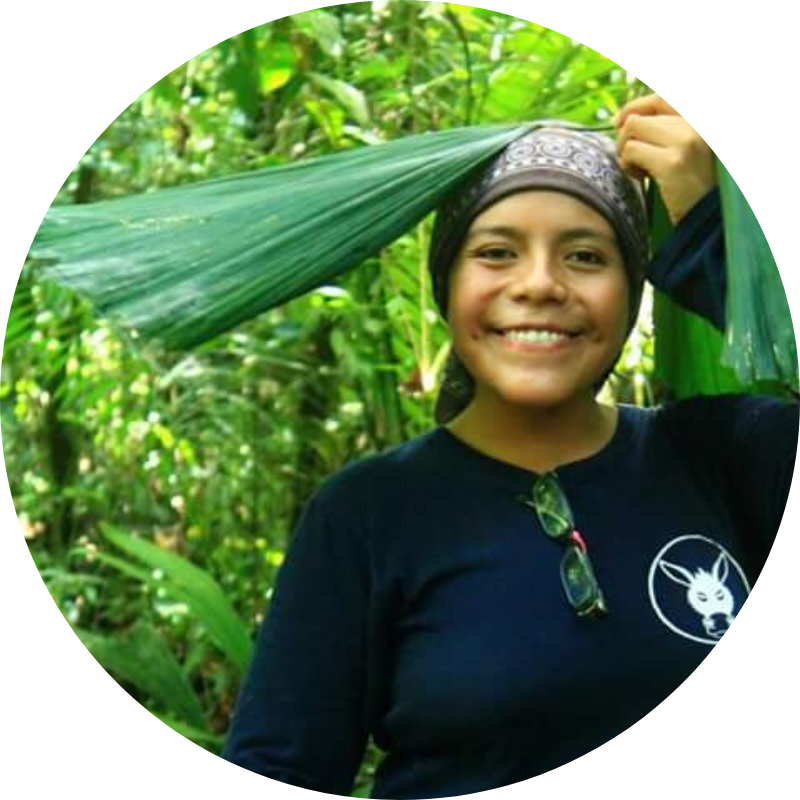
Mayra Ninazunta

Florida International University, “To defend or reproduce? An overlooked dilemma of a highly variable trait: seed size” (Costa Rica)

Nicholas Russo

University of California, Los Angeles, “Exploring the Drivers of Seed Dispersal by Hornbills Across Spatial Scales in Cameroon” (Cameroon)
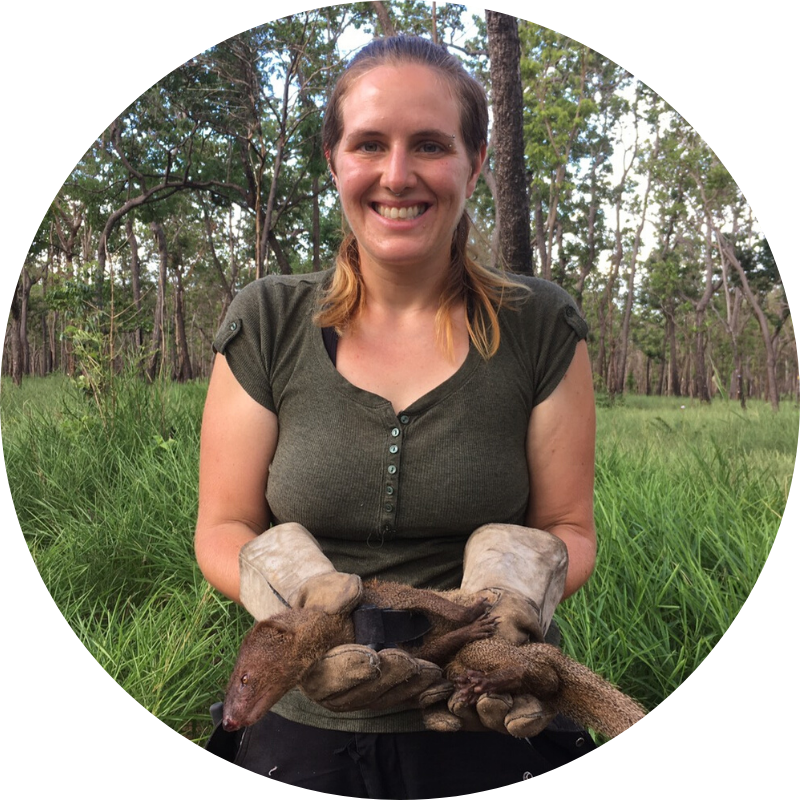
Sarah Sherburne

King Mongkut's University of Technology Thronburi, “Spatial ecology of the Javan mongoose (Herpestes javanicus) within a Degraded Forest Fragment” (Thailand)

James Watuwa

University of Tennessee at Knoxville, “Association between Stress Levels and Parasites in African Elephants in Murchison Falls National Park, Uganda” (Uganda)

Lino Zuanon

Federal University of Uberlândia, “Vulnerability of ants from the Brazilian Cerrado to global warming: The influence of time of activity, food preference and nesting habits” (Brazil)

Tab Title

Awards

ATBC Short Video Contest on Science Communication

We are very excited to announce the three winners of the first ATBC Short Video Contest on Science Communication: Success Stories in Tropical Biology and Conservation. This initiative was co-organized by ATBC, Mongabay, BAND Foundation, within the Smithsonian Earth Optimism Summit.
 
We were thrilled to receive so many submissions from around the world and learn about so many people’s passion for understanding and conserving our ecosystems. Congratulations to the winners and thank you for sharing your stories of hope and optimism around conservation science!
Biodiversity in the Lands of the Ingariko
 
Director: Alejandro T. Garcia
Mamoní Valley Preserve Natural History Project
 
Director: Benjamin Goulet-Scott
The Mauritian Flying Fox
 
Director: Vashist Seegobin
Tree, Trunks and Traits – Why Does it Matter?
 
Director: Marcelo Tomé Kubo & Augusto Giaretta
The Fate of Megafaunal Plants on Madagascar
 
Director: Renske E. Onstein
Growing a Rainforest Community
 
Director: Alejandro T. Garcia

May they never stop singing

Michelle Castellanos (Panama)

**Winner**

The Armadillo’s Goal
 
Director: Felipe Melo
Primate Conservation: A Community Effort in Mexico
 
Director: Jorge Ramos Luna
Saving Endangered Sea Turtles
 
Director: Ariful Islam
When forests heal
 
Health in Harmony (Indonesia)
 
**Winner**
Birds in Caldas
 
Director: Daniel Ocampo
Community-based management of giant arapaima
 
Joao Vitor Campos-Silva (Brazil)
 
**Winner**
The Inga Tree Model
 
Director: Lorraine Potter