About Us

ABOUT ATBC

Welcome to the Association for Tropical Biology and Conservation

The Association for Tropical Biology and Conservation (ATBC) is a scientific professional society formed in 1963 as the Association for Tropical Biology. In 2003 the society changed its name to the Association for Tropical Biology and Conservation. The ATBC is global in scope, membership, and objectives, functioning as an international body to promote research, education, and communication of tropical biology and conservation. We are students, researchers, educators, and conservation practitioners concerned with issues of science, conservation, development, and environmental policy in the tropics. We have around 1,000 members from ca. 70 countries. The society holds annual meetings around the world, publishes the scientific journal Biotropica, and is increasingly engaged in conservation and capacity building activities internationally.

Our mission

Scientific Understanding and Conservation of Tropical Ecosystems

The ATBC seeks to foster scientific understanding and conservation of tropical ecosystems by supporting research, collaboration, capacity building, and communication among tropical biologists and conservationists. The ATBC promotes the following goals:

  1. Promote awareness to as broad an audience as possible of the importance of the tropics
  2. Improve communication and cooperation among tropical investigators, educators, environmental managers, and local communities
  3. Inform and influence individuals and institutions whose decisions affect tropical habitats, their biota, and their inhabitants
  4. Encourage the establishment, improvement, maintenance and accessibility of physical facilities, databases, and collections of biological materials for the study of tropical biology and conservation, and
  5. Enhance the training of and interactions between the next generation of tropical scientists and conservation professionals.

Our Journal

Biotropica: an International Scientific Journal

The ATBC also publishes Biotropica, an international scientific journal publishing original research on the ecology, conservation and management of tropical ecosystems and the evolution, behavior, and population biology of tropical organisms. Biotropica also publishes authoritative and analytical Reviews of topics of current conservation or ecological importance, thought-provoking Commentaries that initiate fruitful debate and discussion, and Special Issues dedicated to major advances by multiple investigators on a conceptual theme, geographic region, or ecosystem. We have a diverse Editorial Board of over 40 members based in more than 20 countries that handles over 400 new submissions per year.

LEadership

Our leadership works closely together to advance the goals of the ATBC

Presidents, Officers, and Councilors of ATBC work together to advance the goals of the Association, as set out in the Strategic Plan. They are involved in committees and task forces as well as discussions, debates, and decisions about ATBC activities and organization.

Our Committees

Committees help acomplish our mission

The ATBC establishes Committees to help accomplish its mission and implement its strategic plan. Committees have long-term responsibilities to The Association. Each Committee reports regularly to the Executive Director and submits annual reports of activities for review and approval by the ATBC Council. The full Committee Guidelines can be found here.

Join us

ATBC is a chosen family

Become a member and work with a select team of biologists who are leading major efforts to conserve tropical forests!

Who we are

Thematic Sections

Explore our thematic sections to learn more about key topics in tropical biology and conservation. Click on any of the categories below to jump straight to the section you’re interested in.

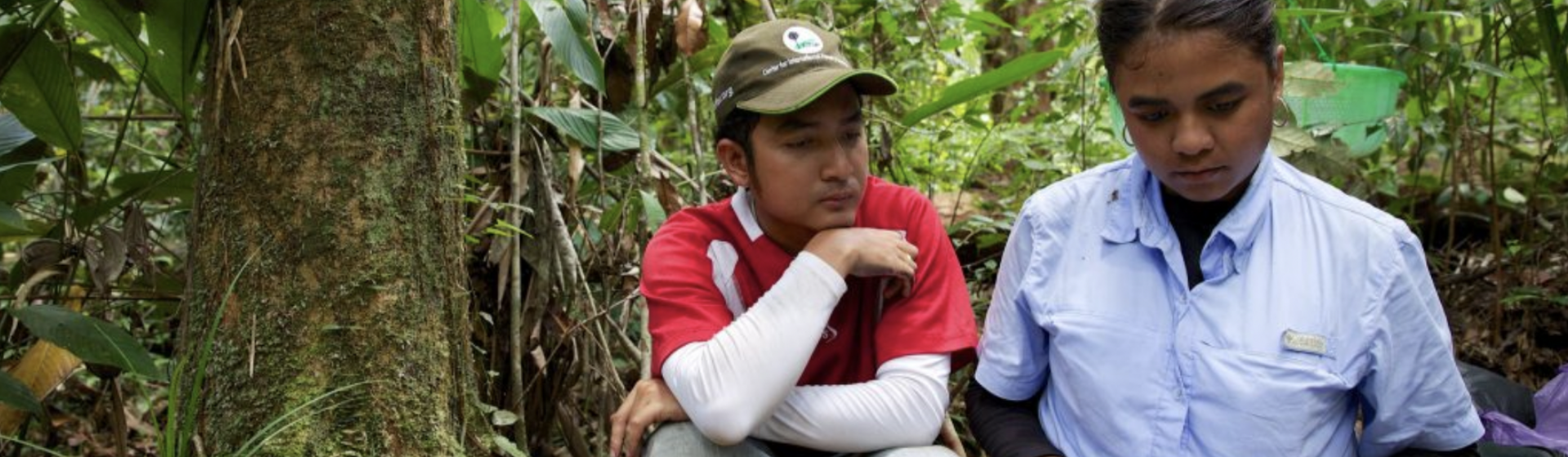
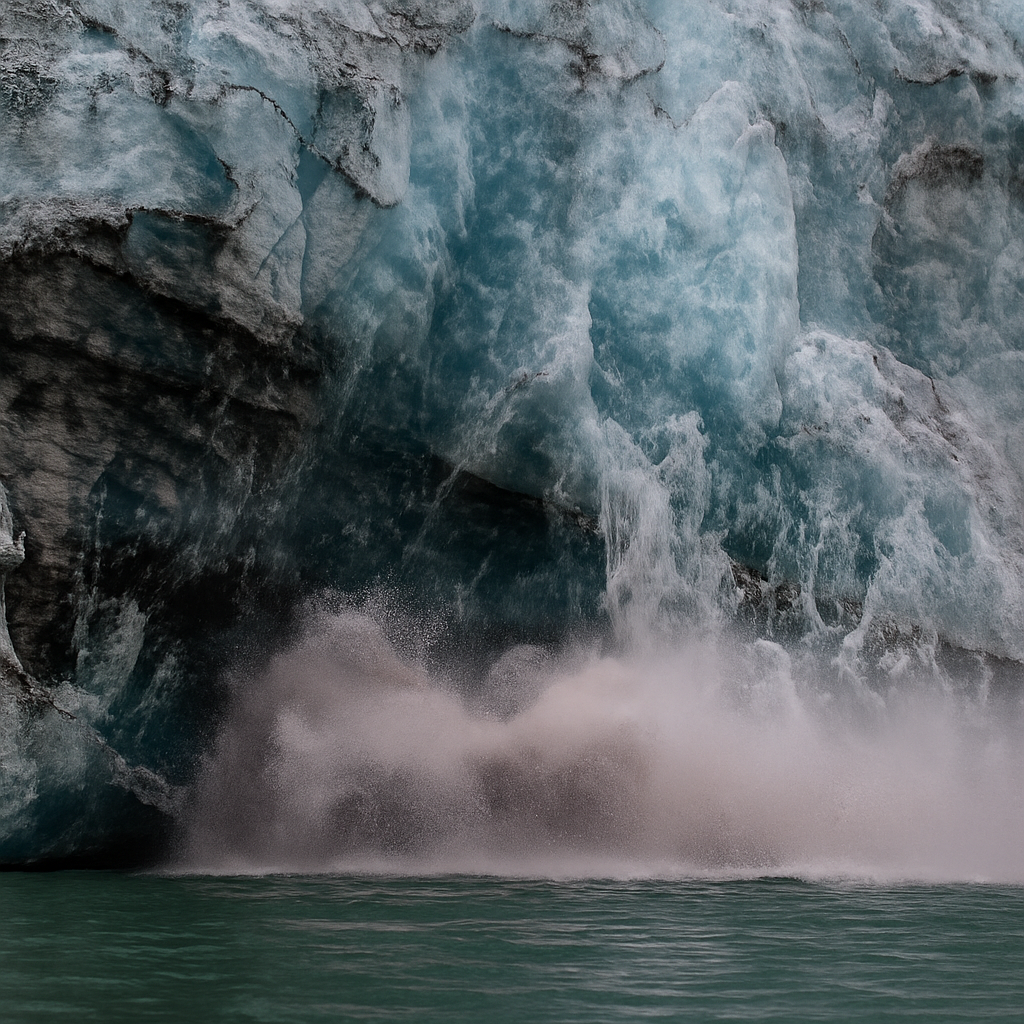
Climate Change in the Tropics

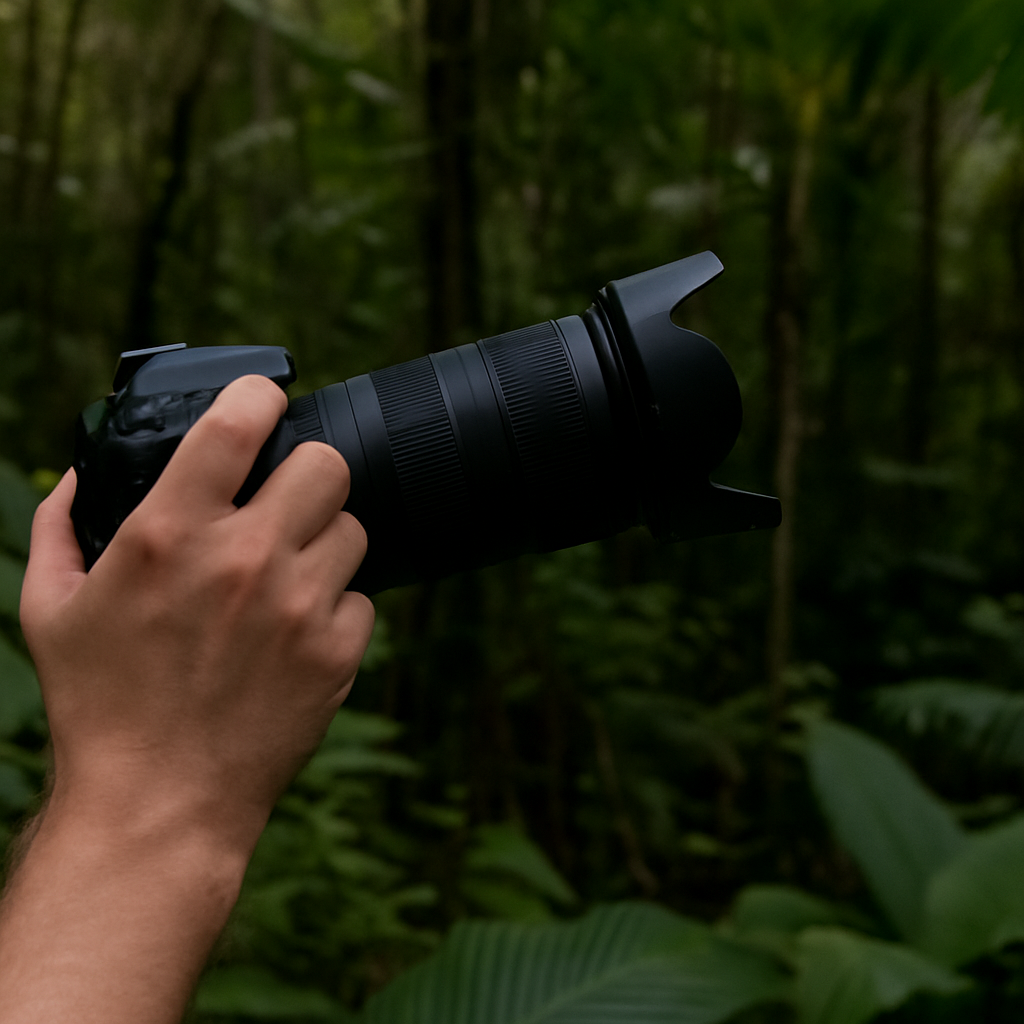
Photography

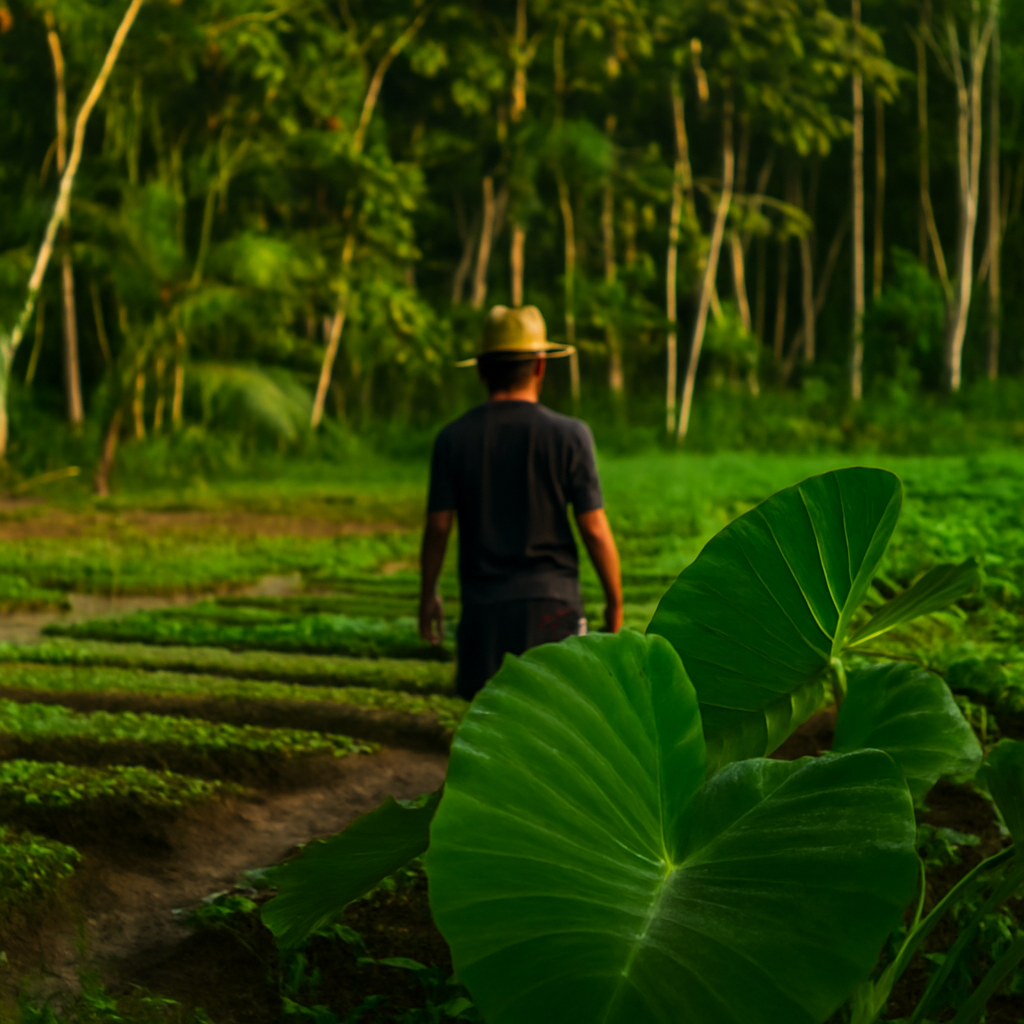
Nature and People in Modified Landscapes

Biotic Interactions in Tropical Systems

Structure and Function of Tropical Ecosystems

Carbon Neutral

ATBC is dedicated to reduce emissions

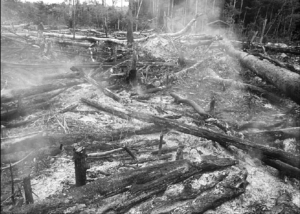
The “why” part is fairly obvious. Greenhouse gases are rising rapidly in the atmosphere (Fig. 1), and it would be irresponsible of the ATBC, as a leading scientific and conservation organization, to fail to reduce its emissions as much as possible and to offset its remaining emissions. Many scientific groups, institutes, and businesses are now going carbon-neutral—or are at least talking seriously about doing so. The ATBC Executive Council felt it was important for the society to be at the cutting edge of these efforts.

The “how” part is where things get interesting. The first question is, how much carbon emissions does an ATBC annual meeting produce? To determine this, the society undertook a formal carbon audit, which was assessed by the Edinburgh Centre for Carbon Management (ECCM), U.K., a well-regarded firm that specializes in this field. We used the Morelia meeting as a typical example. ECCM sent the Morelia-meeting organizers, led by Miguel Martinez and Mauricio Quesada, a long series of questions about how delegates would travel to the meeting, and how much energy would be used for hotels and meeting venues. The cost of the carbon audit (nearly $2300) was kindly paid for by the Mexican Secretariat of the Environment and Natural Resources.

Not surprisingly, the audit revealed that most of our carbon emissions are caused by travel to and from the meeting. Air travel accounts for 86% of all emissions, and if one includes automobile travel this figure leaps up to 99.8% of all emissions. On average, each participant in the meeting produces 1.33 tons of emissions (measured in CO2 equivalents). Overall, with nearly 800 participants, the Morelia meeting was expected to produce about 1070 metric tons of carbon emissions. In future years we should work to reduce these emissions through efficiency savings and the use, wherever possible, of renewable energy sources.

Offsetting Our Emissions

How do we offset our emissions, and how much will it cost? This is the trickiest part. Many options exist for going carbon-neutral, and some have been justifiably criticized. People now talk disparagingly about “carbon cowboys”—dodgy companies that happily take funds from well-meaning organizations attempting to become carbon neutral, and invest them in dubious carbon-offset projects. Aside from such pitfalls, there is also a bewildering variety of options for entering the carbon market. For example, one can invest in the informal carbon market or buy more-expensive certified carbon credits, and funds can be used for myriad different strategies to reduce carbon emissions—such as increasingly energy efficiency or promoting wind- or solar-energy production.

But perhaps the most intriguing option for offsetting carbon emissions is in forestry projects, especially in the tropics. This is, of course, where the ATBC has considerable expertise (e.g. Bawa et al. 2004; Laurance 2006a, 2006b, 2007). We felt it was important to support innovative projects that promote tropical forest conservation, and we wanted to serve as an example to other organizations that are considering how to offset their emissions.

After much investigation, we reached two conclusions. First, carbon-offset projects in the forestry sector can be risky, especially in developing nations. One needs to ensure, for example, that the emissions reductions are verifiable and long-term in nature, and that “leakage” does not occur (i.e. reducing deforestation or increasing reforestation in one area does not simply result in increasing deforestation somewhere else).

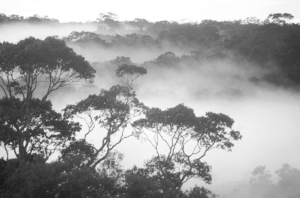
Second, conserving tropical forests—either via afforestation or, even better, by protecting old-growth forests—can have enormous benefits for slowing global warming (Gullison et al. 2007, Mitchell et al. 2007). Tropical forests store huge amounts of carbon in their biomass, and forest destruction currently accounts for up to a quarter of all human carbon emissions today (Fearnside 2000, Fearnside & Laurance 2005). Moreover, by transpiring huge quantities of water vapor back into the atmosphere (Fig. 2), tropical forests contribute heavily to cloud formation; the clouds in turn reflect solar energy back into space, thereby helping to slow global warming, and they often contribute importantly to regional rainfall (Andreae et al. 2004). Finally, tropical forests have far more positive albedo effects than do either temperate or boreal forests. If the latter are cleared they tend to be covered by snow for much of the year, and this reflects much solar energy back into space, whereas tropical forests are replaced by dark land-covers such as pastures and croplands that reflect little heat back into space (Bala et al. 2007).

The net effect of these three factors—carbon storage, evapotranspiration, and albedo—is that saving a hectare of tropical forest is likely to have far greater positive benefits for slowing global warming than does saving a hectare of either boreal or temperate forest (Bala et al. 2007). Of course, tropical forests perform other vital ecosystem services, such as protecting soils, reducing destructive flooding, and maintaining reliable stream flows, and they are enormously important for biodiversity conservation (Laurance 1999, Ozanne et al. 2003). It is for this reason that several influential studies, such as the widely heralded Stern Report in the U.K. (Stern 2005), have advocated tropical forest conservation as a vital and cost-effective strategy for slowing global warming (Mitchell et al. 2007). In any strategy to slow harmful climate change, tropical forests are the low-hanging fruit.

The ATBC Strategy

Among the available options for tropical carbon-offsets, we have chosen two that we regard as particularly promising. The first, located in the states of Chiapas and Oaxaca in southern Mexico, is a project known as Scol Te (‘tree that grows’). It invests in forest and agricultural systems in rural communities, in order to increase terrestrial carbon storage. The main goal is to replace monoculture crops with sustainable agroforestry and to promote reforestation and afforestation. A nonprofit group called Bioclimate Research and Development, linked to the ECCM, administers the funds and verifies the practices of the participating communities. Emissions credits are sold at a price of $7.30 per metric ton of CO2 equivalents.

The other project is Rainforest Concern, whose activities focus on conservation of old-growth forests in Ecuador and elsewhere in South America. Funds administered by Rainforest Concern are used to purchase forested land, which is held and managed in a trust by local communities. Rainforest Concern has a long, successful track record. In Ecuador, for example, they are working to protect cloud forests in the Choco-Andean Corridor, to sustain natural water resources for local communities in the Intag region, and to increase reserve buffers in the Gran Sumaco area. Rainforest Concern and its local partners are responsible for ensuring the permanence of the forested land purchased, and therefore its long-term carbon storage. At $15.00 per metric ton, carbon offsets are more expensive under Rainforest Concern than the Scol Te Project, reflecting higher local costs in Ecuador. We believe, however, that the additional cost is warranted, because of Rainforest Concern’s strong reputation, and because it is important for the ATBC to promote the key ecological benefits of protecting old-growth forests.

We currently plan to invest half of all ATBC carbon-offsets in the Scol Te Project, and half in Rainforest Concern. We may alter this in the future, as new forest-based projects become available, but we will remain strongly focused on the conservation and rehabilitation of tropical ecosystems. ATBC meetings vary from year to year in the meeting locations and number of participants, but we estimate that a contribution of $20 from each individual traveling from outside the host country, and $5 from each person within the host country, will be sufficient to offset our emissions.

At our 2007 annual meeting, contributions to the ATBC Carbon-Neutral Fund were entirely voluntary. Perhaps because of limited familiarity with this new program, only a third of the participants at Morelia contributed to the fund, for which they received a green wrist-band. Fortunately, as voted upon by the ATBC membership, future contributions will be automatic, incorporated into the meeting-registration fee. Beginning next year at our 2008 annual conference in Suriname, the meeting-registration fee will include $20 for foreign participants and $5 for local Suriname residents, with 100% of these funds being used to pay for carbon offsets.

The ATBC is proud to be a leader in the use of carbon offsets to promote the conservation of tropical forests. We hope to serve as a model for other organizations and corporations that wish to offset their emissions while having major positive benefits for tropical ecosystems and biodiversity conservation.

William F. Laurance and Andrew W. Mitchell, July 2007

Acknowledgement

Our thanks to the Global Canopy Programme and John Kress, Miguel Martinez, Mauricio Quesada, Meg Lowman, and Francis Brearley, who helped to develop the ATBC CarbonNeutral Inititiave.
Literature cited

ANDREAE, M. O., D. ROSENFELD, P. ARTAXO, A. A. COSTA, G. FRANK, K. LONGO, AND M. A. F. DA SILVA. 2004. Smoking rain clouds over the Amazon. Science 303: 1337-1342.

BALA, G., K. CALDEIRA, M. WICKETT, T. J. PHILLIPS, D. B. LOBELL, C. DELIRE, AND A. MIRIN. 2007. Combined climate and carbon-cycle effects of large-scale deforestation. Proc. Nat. Acad. Sci. USA 104: 6550-6555.

BAWA, K. S., W. J. KRESS, N. M. NADKARNI, S. LELE, P. H. RAVEN, D. H. JANZEN, A. E. LUGO, P. S. ASHTON, AND T. E. LOVEJOY. 2004. Tropical ecosystems into the 21st century. Science 306: 227–228.

FEARNSIDE, P. M. 2000. Global warming and tropical land-use change: greenhouse gas emissions from biomass burning, decomposition and soils in forest conversion, shifting cultivation and secondary vegetation. Clim. Change 46: 115-158.

FEARNSIDE, P. M., AND W. F. LAURANCE. 2004. Tropical deforestation and greenhouse gas emissions. Ecol. Applic. 14: 982-986.

GULLISON, R. E., P. C. FRUMHOFF, J. G. CANADELL, C. B. FIELD, D. C. NEPSTAD, K. HAYHOE, R. AVISSAR, L. M. CURRAN, P. FRIEDLINGSTEIN, C. D. JONES, AND C. NOBRE. 2007. Tropical forests and climate policy. Science 316: 985-986.

LAURANCE, W. F. 1999. Reflections on the tropical deforestation crisis. Biol. Conserv. 91: 109-117.

LAURANCE, W. F. 2006a. The value of trees. New Scientist, 14 April, p. 24.

LAURANCE, W. F. 2006b. A change in climate. Tropinet 17(2): 1-3.

LAURANCE, W. F. 2007. A new initiative to use carbon trading for tropical forest conservation. Biotropica 39: 20-24.

MITCHELL, A. W., K. SECOY, AND N. MARDAS. 2007. Forests first in the fight against climate change. Global Canopy Programme, Oxford, U.K.

OZANNE, C. M. P., D. ANHUF, S. L. BOULTER, M. KELLER, R. L. KITCHING, C. KÖRNER, F. C. MEINZER, A. W. MITCHELL, T. NAKASHIZUKA, P. L. SILVA DIAS, N. E. STORK, S. J. WRIGHT, AND M. YOSHIMURA. 2003. Biodiversity meets the atmosphere: a global view of forest canopies. Science 301: 183–186.

STERN, N. 2005. Stern review on the economics of climate change. U.K. Treasury Department, London (www.hm-treasury.gov.uk/independent reviews/stern_ review_economics_climate_change).


Fig. 1. Tropical deforestation is a major source of greenhouse-gas emissions (photo by W. F. Laurance).


Fig. 2. By transpiring vast amounts of water vapor into the atmosphere, tropical forests help to stimulate cloud formation. Clouds, in turn, reflect much solar radiation back into space and thereby help to reduce global warming (photo by W. F. Laurance).

Our mission

Scientific understanding and conservation of tropical ecosystems

Tropical forests are teeming with life and intricate ecological processes unparalleled anywhere on Earth. The vast tree canopies and ancient soils play a key role in worldwide climate and nutrient dynamics. Tropical forests are critical to the very survival of life on Earth. Between 1980 and 2000, 21 percent of tropical forests were destroyed. Much of the information needed to conserve, restore, and manage these ecosystems remains unknown. This calls for new knowledge and information about tropical ecosystems have taken on greater urgency. This led tropical biologists, conservationists, ecologists, and social scientists to began to assess the expanding scope of their professions. Tropical biologists started this process in 2000, exploring the changes needed in the priorities and practice of their field. The report  “Beyond Paradise: Meeting the Challenges of Tropical Biology in the 21st Century” provides guidelines that enable tropical biologists to move beyond the current vision of protecting an undisturbed paradise. The process by which this document was created and more in-depth recommendations are available in the 2004 article Beyond Paradise—Meeting the Challenges in Tropical Biology in the 21st Century” published in Biotropica by Bawa et al.

This document was prepared with the support of The Association for Tropical Biology and ConservationThe Ashoka Trust for Research in Ecology and the EnvironmentThe National Museum of Natural History, Smithsonian InstitutionSmithsonian Tropical Research InstituteThe National Science Foundation, and The British Ecological Society.

DONATE

ATBC is a non-profit organization

ATBC is non-profit organization with a limited financial base. Most of our revenue comes from Biotropica journal subscriptions and from membership dues.

Strategic Plan 2025-2030

ATBC Strategic Plan

Mission:

To foster scientific understanding and conservation of tropical ecosystems by supporting research, collaboration, capacity building, and communication among tropical biologists and conservationists.

Purpose:

The ATBC fosters collaboration and information sharing across a broad community of tropical biology professionals. The society provides outlets for research dissemination, and educational and funding opportunities, particularly for early career scientists working across the tropics. As a diverse community of science professionals, the ATBC provides a credible, collective, and authoritative vision of tropical biology and conservation issues that underpin public policy and management action.

Values:

The ATBC believes that biological science is essential for an understanding of tropical environments that serves conservation and sustainable development. Specifically, the ATBC holds that:

1. Natural systems and the biodiversity they contain have both intrinsic and utilitarian values;

2. Evidence-based science is critical for understanding how tropical ecosystems function, and how humans affect them;

3. Sustainable development depends on effective stewardship of ecosystems and their component species;

4. Biological sciences and related disciplines are essential foundations for effective decision making, and must inform environmental policy in the tropics;

5. Communicating tropical biological science to the global public is vital for enhancing the understanding of environmental and conservation values.

Principles:

The ATBC promotes inclusiveness and collaboration, in order to create a sense of collegiality that is built on five principles:

1. Supportive: A society that fosters mutual support, mentoring and guidance across its membership;

2. Inclusive: A diverse membership, inclusive of age groups, genders, cultures, professional positions, and geographical locations, benefits and advances the society;

3. Participatory: A membership that is informed and engaged in the activities of the society;

4. Transparent: An open society in which decision-making processes are clear and participatory;

5. Multidisciplinary: A society that encompasses scientific breadth across all relevant disciplines.

Strategic Foci:

In responding to our mission and purpose, and taking account of our values and principles, five core issues form the strategic foci:

1. Increase education opportunities and networking in tropical biology, conservation and related interdisciplinary approaches;

2. Recognize exceptional achievements and support science capacity in tropical biology and conservation worldwide;

3. Provide inclusive settings for a diverse international community of scientists, conservationists, and stakeholders;

4. Communicate world-leading tropical biological science across the global community;

5. Foster the application of science in conservation, policy, and management action.